
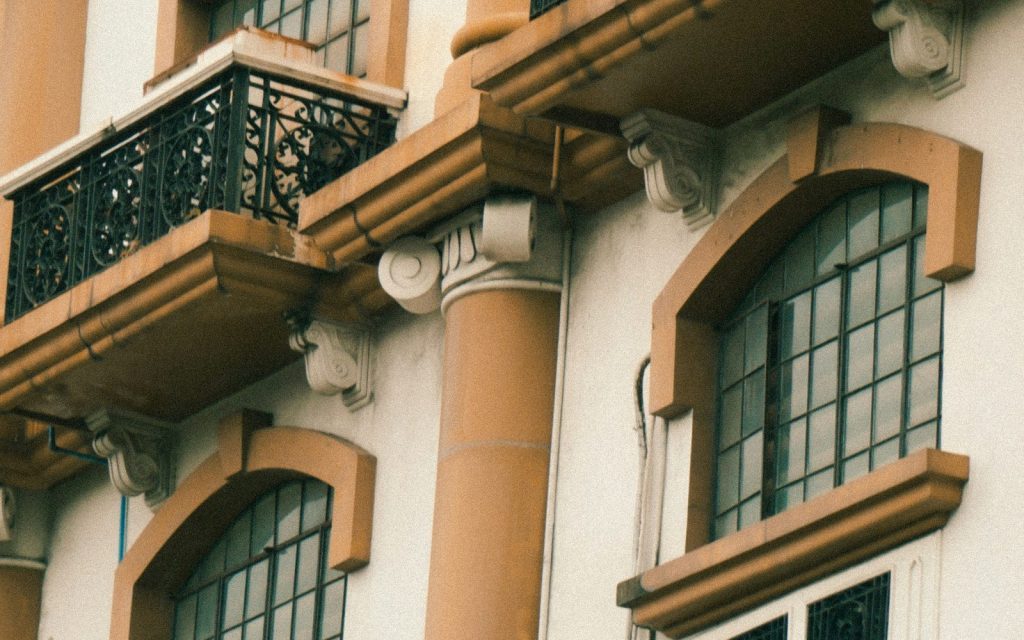
In the 1930s Escolta was where Manila went to shop, bank and be seen. By the 1990s most of its art deco buildings were half empty. Today the ground floors are filling up again.
Design studios, a weekend market, a printmaking workshop and a few cafés now share the street with the old jewellers and hardware stores. Many of the new tenants say the same thing: the rent is fair and the buildings are beautiful.
“You can’t build ceilings like these anymore. Not at this price.”
Who is moving in
Most of the new tenants are small: a two-person design studio, a vintage clothing shop, a coffee counter in an old bank lobby. They share a sense that the street is worth investing in, even if the buildings need years of work.
Weekends bring a market of makers and secondhand sellers, and with it a crowd that would not have come here ten years ago. Weekdays are still quiet, which suits the studios fine.
The challenge now is keeping the rents fair as the street becomes popular, so the people who brought it back can afford to stay.
A short history
Escolta was laid out in the Spanish period and became Manila’s commercial heart in the early twentieth century, home to department stores, cinemas and the city’s first elevator. After the war, business moved south to Makati, and the street slowly emptied.
Heritage groups have spent years cataloguing its buildings and lobbying owners to restore rather than demolish. Some of the finest facades, including several art deco blocks, now have new tenants on the ground floor and plans for the upper storeys.
Visit on a Saturday morning, when the market is on and the street feels most alive.
Restoration is slow and expensive, and not every building will make it. But the street has a weekend crowd again, and that is how most revivals begin.