
Maginhawa Street is known for its weekend cafés. After ten on a weeknight it belongs to students, nurses coming off shift and anyone who wants a full meal before midnight.
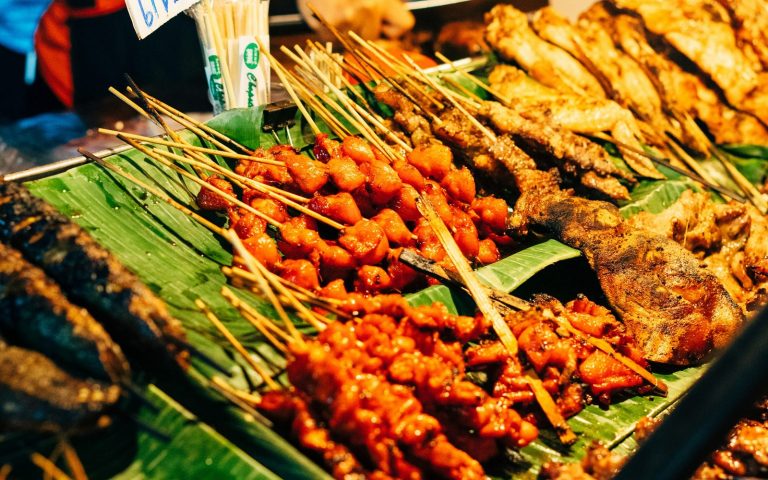
The silog places do the most business: garlic rice, a fried egg and your choice of tapa, longganisa or bangus, under ₱150. A dessert shop near the corner sells halo-halo until one.
Where to go
Start with a silog plate, walk the length of the street and end with something cold. Most places take cash only after ten, and parking is easier on the side streets than on Maginhawa itself.
The late crowd
Around eleven the street fills with nurses from the hospitals nearby, still in scrubs, and students from the universities a jeepney ride away. Tables are shared without much ceremony, and conversations drift from one table to the next.
The karaoke bars at the far end are louder than the restaurants but quieter than you would expect, and most close by one. After that, the silog places and a 24-hour bakery are all that stay open.
If you are driving, park on a side street and walk the whole length once before choosing. The best plate of the night is rarely in the first place you see.
How the street grew
Maginhawa became a food street in the 2010s, when small restaurants opened in the ground floors of houses and old garages. Many have come and gone since; the ones that last tend to be cheap, consistent and open late.
Residents have mixed feelings about the crowds and the parking, and the city has tried to balance both with loading zones and stricter rules for street parking. On a quiet weeknight it still feels like a neighbourhood that happens to have very good food.
Go hungry, go with friends and order more rice than you think you need.
It is not the street the guidebooks describe. It is the one the neighbourhood actually uses.