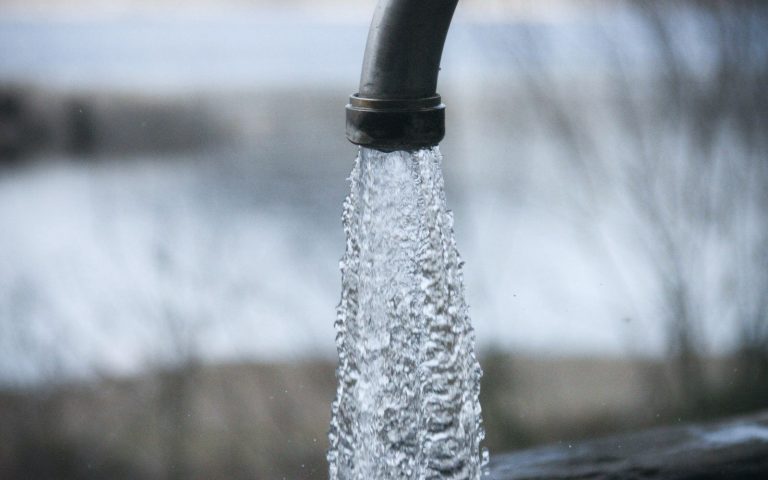
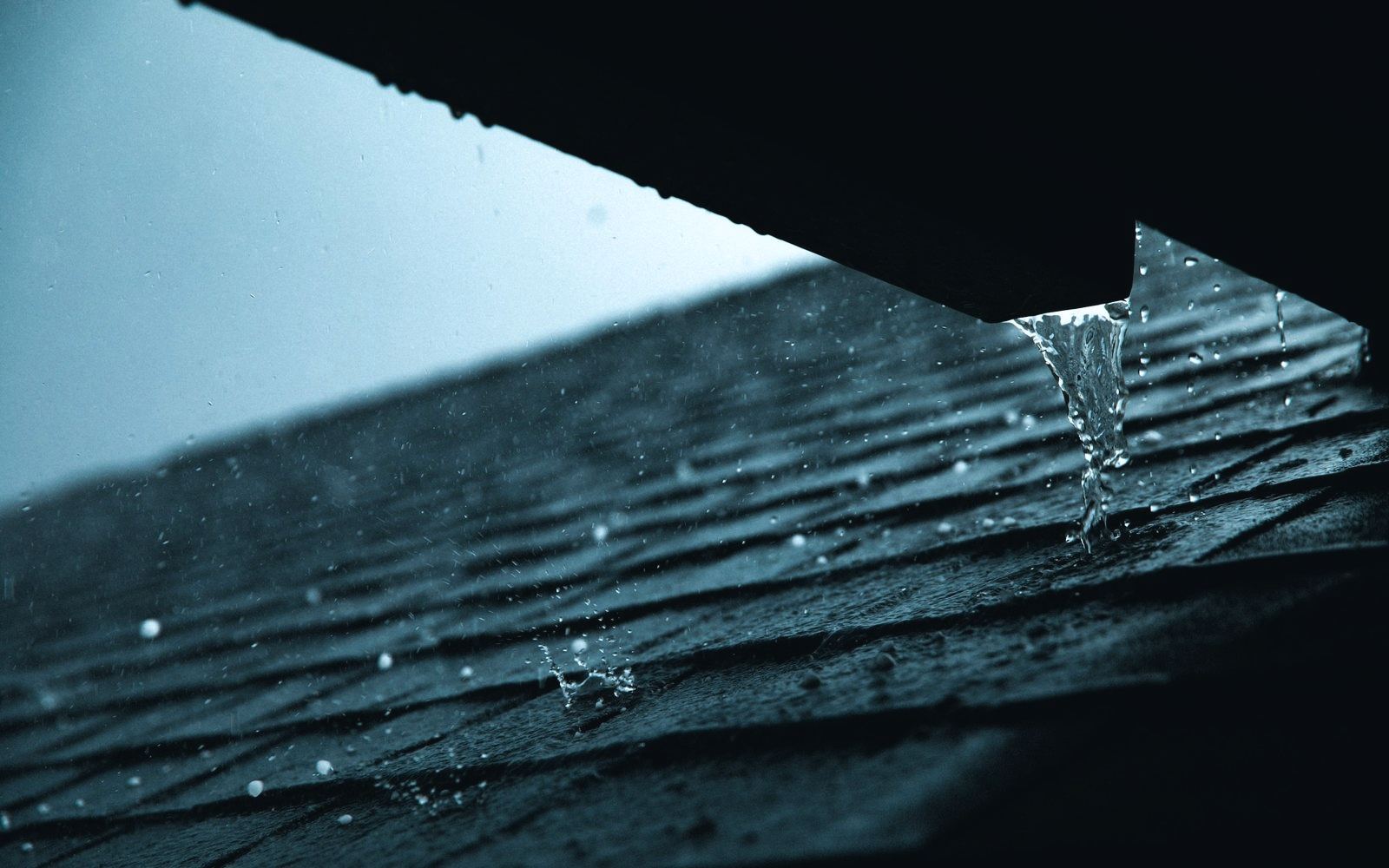
The first rain after a dry spell is the dirtiest water a roof will ever send you. A capped pipe and a ball valve keep it out of the tank.
A roof is not clean
Between rains, a school roof collects dust, leaves, bird droppings and whatever the wind brings from the road. When the rain starts, the first few minutes wash all of it toward the gutter. If that water goes into the tank, the whole tank pays for it.
How the pipe works
A first flush diverter is a length of upright pipe, capped at the bottom, that branches off the downpipe before the tank. The first water fills the pipe. A floating ball rises with it, and when the pipe is full the ball seals the top. From then on, the clean rain runs past and into the tank.
After the rain, a small hole in the cap lets the dirty water drain away slowly, so the pipe is empty and ready for the next storm. On most of our schools the pipe holds about one litre for every square metre of roof: a 200 square metre roof gets a 200 litre diverter.
What happens without one
At Pagsalo, our first school, we built the first tank without a diverter. Within a month the water at the bottom was brown and smelled of leaves. We drained it, scrubbed it and fitted the pipe. The water has been clear since.
What the teachers do
Once a month a teacher unscrews the cap, lets out what is left and checks the ball is moving. It takes five minutes. On maintenance days, our volunteers do the same and clean the gutters above it.
It is the cheapest part of the system, about ₱1,500 with the gutter fittings, and the one that does the most for the water.
Sizing it for a new school
When Ramil surveys a school, he measures each roof that will feed the tank and adds them up. The diverter is sized from that total, then rounded up to the next pipe length we can buy in Guiuan. A pipe that is too small lets dirt through; one that is too large only wastes a little rain, so we always err on the large side.
On very dusty roofs, near a road or a cement plant, we fit a second diverter in line with the first. Ulanan, beside the national road, has two.
The one thing to watch
The drain hole in the cap can block with fine silt. If it does, the pipe stays full, the ball stays up, and the next storm’s dirty water goes straight past into the tank. That is why the monthly check matters, and why the teachers’ checklist puts it first.